
BVD Tag and Test in Wales
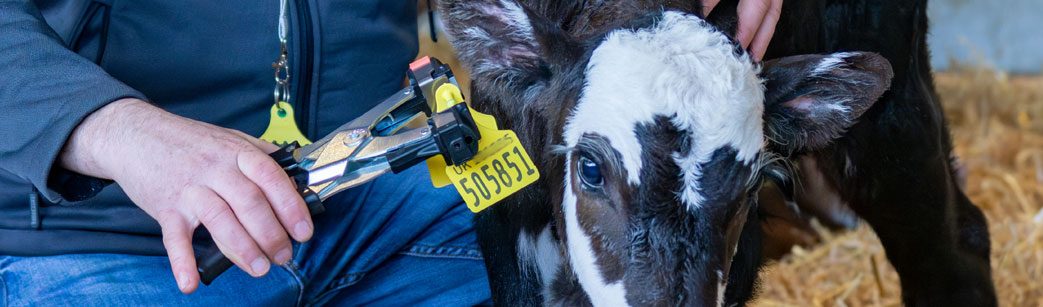
BVD testing is now compulsory in Wales. Tissue sampling ear tags make many of the testing requirements quicker, simpler and less stressful by taking the sample at the same time as tagging. This guide explains what Welsh cattle keepers need to do, when a vet is required and which tissue sampling tag to use.
What the tests tell you
Blood antibody screening checks for signs of BVD exposure in the herd. Book it annually through your vet practice. Tag-and-test does not replace this screen.
Virus testing checks an individual animal for infection. Depending on the purpose, the sample can be blood or ear tissue collected by a tissue sampling tag.
Understand your herd status
Negative: no evidence of infection or exposure has been found. Keep annual screening current.
Not negative: exposure, infection or unmet testing requirements. It does not mean every animal is infected.
Unknown: herd status is not yet established. New herds usually have 30 days to complete screening.
An individual animal has its own status. A negative animal can be in a
not-negative herd, so check the holding’s status before arranging a move.
Who can collect the sample
Farmer tissue sampling: routine newborn testing, PI hunts, post-movement tests and qualifying pre-movement tests on calves aged 20 days or younger when sampled.
Vet practice: all blood samples; pre-movement sampling over 20 days old; and retesting after a positive or failed test. An appropriately authorised sampler may work under veterinary direction without the vet attending personally.
Choose the correct tag and laboratory
For a living calf aged 18 months or younger, the first tissue sample must use an official ear tag. Repeat sampling has additional restrictions: contact the vet practice first.
Before selling or moving cattle
Negative herd: No BVD pre-movement test required.
Not-negative or unknown herd: ordinary farm-to-farm movements generally require a negative pre-movement test, including between separate holdings you own.
A qualifying negative result is valid for 60 days from sampling. A official-tissue tag birth test can count. If the test is still valid, a fresh sample is not automatically needed. Tell the receiving keeper within the 3 days before movement.
The exceptions explained
Direct slaughter and veterinary treatment have exceptions. A general license also permits certain movements to Approved or Exempt Finishing Units, TB exempt markets and orange markets. Read and meet its conditions. This should not be seen as a way to avoid the testing requirements.
That licence excludes positive and PI animals.
Buying cattle from outside Wales
Without a recognised individual status, test within 20 days of arrival. Your vet may accept earlier negative results and update the Welsh record instead. An in-calf animal of unknown status must be isolated until calving or a negative post-movement result. Test the calf after birth.
If screening finds BVD exposure
Your vet will help arrange a search for infected cattle, called a PI hunt. Animals already recorded as individually negative are exempt from this PI-hunt sampling requirement.
Test newborn calves with official tissue tags by 20 days; include aborted and stillborn calves within 7 days where reasonably practicable. Continue required calf testing for 12 months after the herd regains negative status. This continues even if you have a negative antibody screen before the 12 months elapses.
Virus-positive animal: arrange a vet-practice retest at least 21 days later. PI means persistently infected. Confirmed PI cattle must stay isolated if retained; discuss removal with your vet.
What do I need to do?
| Situation | What you need to do |
|---|---|
| Annual herd screen | Arrange the annual blood test through your vet. |
| Buying cattle into Wales | Post-movement test within 20 days where required. |
| Not Negative herd | Pre-movement test before cattle leave the holding. |
| Newborn calves in a Not Negative herd | Take a tissue sample before 20 days of age using an official tissue tag. |
Can I take the sample myself?
You CAN take tissue samples yourself for:
- Whole-herd PI investigation using tissue tags.
- Newborn calves in a Not Negative herd.
- Stillborn and aborted calves.
- Post-movement testing of cattle brought into Wales.
- Pre-movement testing of calves aged 20 days or less.
A vet (or someone working under the vet’s direction) is required for:
- Annual herd antibody screening.
- Pre-movement testing of animals over 20 days old.
- PI confirmation testing.
Which tag do I need?
| Job | Recommended tag |
|---|---|
| First tissue sample from a calf | Official BVD tissue tag |
| Second tissue sample from the same calf | Management BVD tissue tag |
| Bought-in cattle over 18 months requiring tissue sampling | Management BVD tissue tag |
| Newborn calf in a Not Negative herd | Official BVD tissue tag |
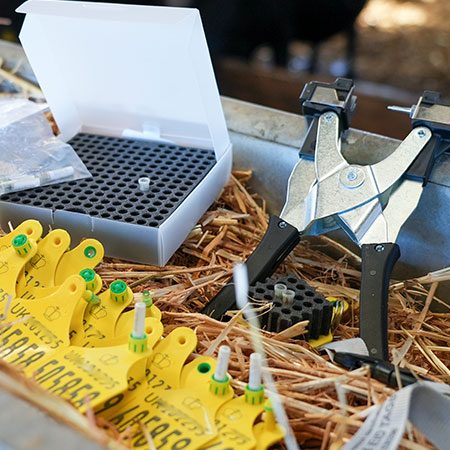
Why use Caisley tissue sampling tags?
- Take the sample while tagging the animal.
- Reduce handling and stress.
- Matching sample tube and tag identification.
- Suitable for Official and Management applications.
- Can reduce veterinary costs where keeper sampling is permitted.
- Fast, simple and reliable.
Buying cattle into Wales
If cattle arrive from outside Wales without a recognised Welsh BVD status, they will normally require post-movement testing within 20 days. Tissue sampling tags allow this sample to be taken quickly without additional handling.
If your herd becomes Not Negative
- Arrange the required testing promptly.
- Pre-movement test animals before eligible movements.
- Continue testing newborn calves as required.
- Work with your vet to regain Negative status.
Frequently Asked Questions
Is BVD testing compulsory in Wales?
Yes. Annual herd screening and movement testing requirements now apply under Welsh legislation.
Can I take the sample myself?
Yes, for many tissue sampling situations including post-movement testing and newborn calves.
Which tag should I use?
Official tissue tags are used for the first calf sample. Management tags are used where a second tissue sample is legally required.
Do I still need a vet?
Yes, for the annual blood screen, PI confirmation testing and certain pre-movement tests.
Caisley BVD Tissue Sampling Tags
Caisley supplies Official and Management BVD tissue sampling tags designed to help Welsh farmers meet the current BVD requirements. Matching sample tubes, high-quality applicators and technical support are available to help make testing straightforward.
- Official BVD Tissue Tags
- Management BVD Tags
- Request a Sample
- BVD Test Pay as You Go
- BVD Sample submission forms
Sources and guidance
This guide has been prepared using the current Welsh BVD legislation and official guidance available at the time of publication.
- Bovine Viral Diarrhoea (Wales) Order 2024 (as amended in 2025 and 2026)
- Welsh Government BVD guidance
- BVDCymru guidance
Last reviewed: July 2026
Video courtesy of Richard Henderson
The Gill Farm, Dalston, Carlisle, Cumbria, CA5 7JP
Used with permission.
